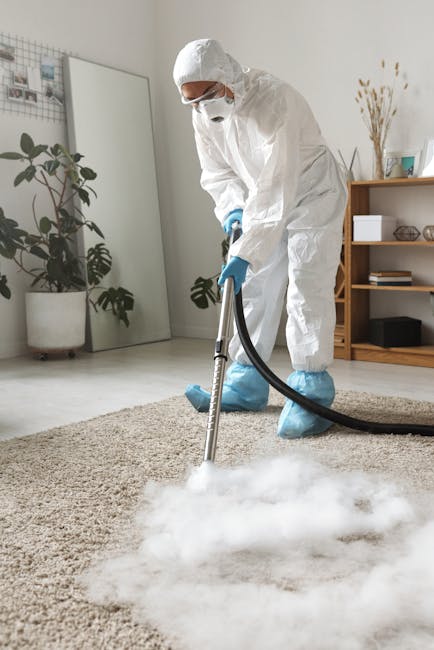
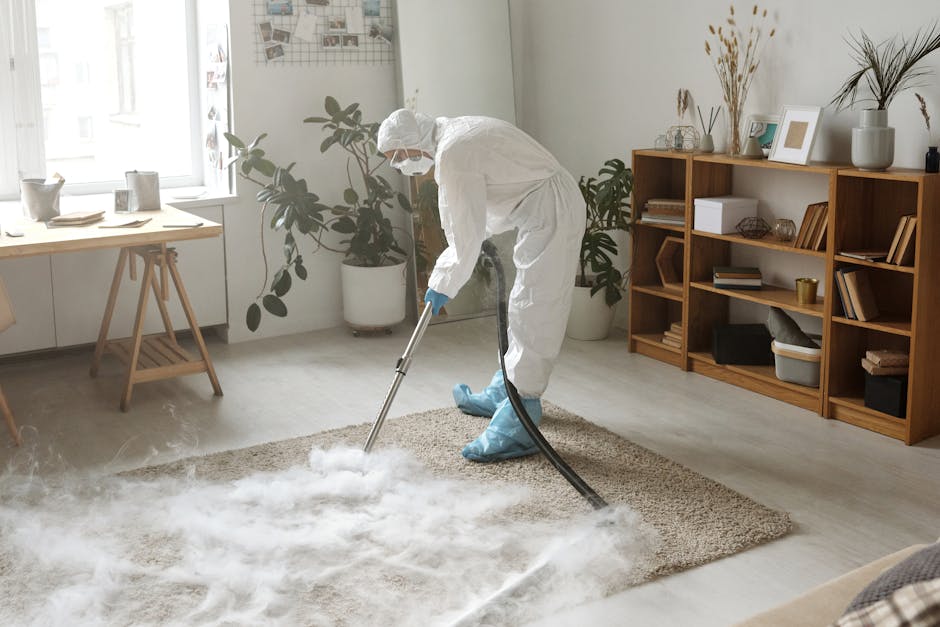
Emergency carpet cleaning near Bond Street station, Mayfair
If you need emergency carpet cleaning near Bond Street station, Mayfair, you are probably dealing with one of those annoying moments that never happen at a convenient time. A drink has tipped over. Mud has been dragged in from the street. A pet accident, red wine spill, or office coffee disaster has landed right on the pile. And now the carpet looks worse every minute.
In a busy part of central London like Mayfair, speed matters. Foot traffic is high, properties are often high-value, and carpets are usually part of a broader presentation standard. Whether it is a private home, serviced apartment, office, boutique, or short-notice rental changeover, a quick and sensible response can make the difference between a minor clean-up and a permanent mark. This guide explains how urgent carpet cleaning works, what to expect, how to judge quality, and what to do before help arrives.
Quick expert takeaway: act fast, avoid over-wetting the area, identify the stain if you can, and choose a cleaner who understands both emergency response and delicate carpet fibres. In a neighbourhood like Mayfair, that combination really matters.
Table of Contents
- Why Emergency carpet cleaning near Bond Street station, Mayfair Matters
- How Emergency carpet cleaning near Bond Street station, Mayfair Works
- Key Benefits and Practical Advantages
- Who This Is For and When It Makes Sense
- Step-by-Step Guidance
- Expert Tips for Better Results
- Common Mistakes to Avoid
- Tools, Resources and Recommendations
- Law, Compliance, Standards, or Best Practice
- Options, Methods, or Comparison Table
- Case Study or Real-World Example
- Practical Checklist
- Conclusion
- Frequently Asked Questions
Why Emergency carpet cleaning near Bond Street station, Mayfair Matters
Carpets do not just affect how a room looks. They affect how a room feels, smells, and even how people judge the overall standard of a property. That is especially true around Bond Street station, where the surrounding streets combine residential elegance, retail activity, hospitality, and office use. One visible stain in the wrong place can throw off an entire interior.
Emergency carpet cleaning matters because stains set quickly. Liquids soak deeper into the fibres and underlay, particulate dirt gets rubbed in by shoes, and some substances begin to oxidise or bond with the pile almost immediately. The sooner you deal with it, the better your chances of restoring the carpet without permanent damage.
There is also a practical side. In a Mayfair flat, a showroom, or an office close to Bond Street, you may need to protect handover deadlines, client impressions, lease standards, or guest comfort. Truth be told, no one wants to explain a dark stain on a pale wool carpet when people are due within the hour.
For readers exploring broader service support, it can also help to understand the full range of options on the services overview page, or browse the wider carpet cleaning in Mayfair service area if you need something beyond a one-off emergency.
How Emergency carpet cleaning near Bond Street station, Mayfair Works
Emergency carpet cleaning is usually a faster, more targeted version of standard carpet maintenance. The cleaner focuses first on stabilising the spill or stain, then chooses a method that suits the carpet fibre, dye stability, and severity of the contamination.
In practice, the process often goes like this:
- Initial assessment: the cleaner identifies the stain source, carpet material, pile type, backing, and how long the spill has been there.
- Pre-treatment: a suitable spotting solution is applied to loosen the contamination without spreading it further.
- Agitation or dwell time: depending on the fabric, the product is left to work or lightly worked into the fibres.
- Extraction or controlled cleaning: hot water extraction, low-moisture cleaning, or hand spotting may be used.
- Rinse and neutralise: residues are removed so the carpet does not attract soil later.
- Drying support: airflow, towel blotting, and careful ventilation help speed drying.
- Final inspection: any remaining mark, wick-back risk, or texture issue is checked before the job is closed.
The method should never be automatic. A wool rug in a period property near Bond Street needs a different touch from a synthetic office corridor carpet. That sounds obvious, but a surprising number of poor results come from using the same approach everywhere. Not ideal.
If you are comparing providers, it is smart to read a few local resources first, including the company's about us page and the practical information in pricing and quotes. You want quick help, yes, but also reassurance that the work is done properly.
Key Benefits and Practical Advantages
Emergency carpet cleaning is not just about appearance. Done well, it protects the carpet, the room, and sometimes even the wider schedule for the day.
- Reduces permanent staining: fast treatment improves the chance of full or near-full stain removal.
- Protects fibre condition: correct products can lift contamination without harsh rubbing or colour loss.
- Helps control odour: spills involving food, drink, pets, or damp can leave lingering smells if ignored.
- Minimises disruption: an efficient emergency visit can help you get back to business, or back to normal life, much sooner.
- Supports move-in/move-out standards: especially useful in rental properties, serviced apartments, and property transactions.
- Improves presentation: in client-facing spaces, first impressions are a real thing. A clean carpet helps enormously.
There is a quieter benefit too: peace of mind. When something spills on a light carpet, your mind tends to jump straight to worst-case scenario. A proper emergency response takes that pressure down. A lot.
For properties that also need broader upkeep, services such as domestic cleaning in Mayfair, house cleaning, or office cleaning can be worth considering after the urgent issue is resolved.
Who This Is For and When It Makes Sense
This type of service is useful for more people than you might think. It is not only for obvious disasters. Sometimes the best time to call is before a stain becomes a bigger problem than it needs to be.
Common situations include:
- private residents in flats or townhouses near Bond Street and surrounding Mayfair streets
- landlords needing a fast turnaround between tenancies
- tenants dealing with an accidental spill before inspection
- office managers wanting to clean up after a meeting, event, or daily mishap
- concierge or building management teams handling guest-related incidents
- property agents preparing for viewings, handovers, or photography
- hosts or short-let operators trying to restore a room quickly after a messy check-out
Emergency cleaning makes sense when the stain is fresh, when there is a smell issue, when the carpet is in a high-visibility area, or when time is genuinely tight. If the carpet is already heavily worn or badly damaged, the conversation may shift to restoration, deeper cleaning, or replacement advice. Fair enough.
If you are researching the area itself, the article uncovering the best of Mayfair in the heart of London offers useful local context, while Mayfair living: an insider's view gives a more lived-in sense of the neighbourhood.
Step-by-Step Guidance
If a spill happens, the first few minutes matter. The idea is not to panic-clean. It is to stabilise the area and avoid making the problem worse before a professional arrives.
- Blot, do not scrub. Use a clean white cloth or paper towel and press gently to absorb liquid. Scrubbing pushes the stain deeper and can rough up fibres.
- Keep track of the spill source. Was it wine, coffee, juice, oil, ink, mud, bleach, or something else? This changes the treatment.
- Avoid soaking the carpet. Too much water can spread the stain and create a longer drying time. Sometimes it even reaches the underlay.
- Remove loose solids. If there is food or dirt, lift it carefully with a spoon or blunt edge before anything else.
- Protect the area. Keep shoes off the carpet and stop other people from walking over it.
- Contact a cleaner quickly. Explain the stain type, carpet material if known, and what you have already done.
- Follow the cleaner's advice. They may ask you to leave the area alone, increase ventilation, or avoid certain household products.
- Check drying and finish. Once treated, make sure the fibres are lifted, residue is gone, and no ring mark is forming.
A useful tip: if you are not sure what caused the stain, say so. Guessing is fine until it is not. A wrong DIY treatment can set protein stains, bleach colour, or make oil-based marks harder to remove. It happens more often than people like to admit.
Expert Tips for Better Results
Small decisions make a big difference in emergency carpet work. The following tips are simple, but they save a lot of headaches.
- Act on fresh stains first: most liquids are easier to remove before they dry fully.
- Test cleaning solutions carefully: especially on wool, natural fibre, or dyed carpets. Spot testing helps reduce surprises.
- Match the method to the fibre: wool, nylon, polypropylene, and blended carpets all behave differently.
- Mind the underlay: if liquid has gone deep, surface cleaning alone may not be enough.
- Use airflow sensibly: open windows if appropriate and safe, but avoid blasting the carpet with heat.
- Watch for wick-back: that is when staining reappears as the carpet dries because soil rises from below. Annoying, but manageable with the right process.
- Be honest about previous DIY attempts: many carpets have already been treated once or twice before a pro sees them.
If you are booking a deeper clean after an emergency, it can help to read service-specific information such as upholstery cleaning in Mayfair or end of tenancy cleaning in Mayfair, especially where carpets and furniture both need attention.
Little human note: a cleaner who explains what they are doing in plain English is usually a good sign. You should not need a chemistry degree to understand the plan.
Common Mistakes to Avoid
Most carpet emergencies get worse because someone reacts too fast in the wrong way. Happens all the time. The good news is that these mistakes are avoidable.
- Scrubbing hard: this frays fibres and pushes the stain sideways.
- Using random household chemicals: bleach, vinegar, washing-up liquid, and stain removers can all have unwanted side effects depending on the carpet.
- Over-wetting the area: too much liquid causes longer drying times and deeper contamination.
- Ignoring the stain edge: sometimes the visible centre is smaller than the actual affected area.
- Delaying the call: waiting until the next day can reduce the chance of a clean finish.
- Assuming all carpets are the same: a patterned wool carpet in a Mayfair townhouse is not the same as a commercial synthetic runner in an office.
- Choosing price only: cheap can be expensive if the stain remains or the carpet is damaged.
To be fair, most people only make these mistakes because they are stressed. No judgement. But if the carpet matters, restraint is usually the smartest move.
Tools, Resources and Recommendations
Emergency cleaners typically use a mix of assessment tools, stain treatments, extraction equipment, and drying support. The exact setup depends on the job, but the aim is always the same: remove the contamination without damaging the carpet.
| Method or tool | Best for | Notes |
|---|---|---|
| Spotting solutions | Fresh stains, food marks, drink spills | Should be matched to stain type and carpet fibre |
| Hot water extraction | Deep soil, liquid contamination, general restoration | Useful when the stain has spread below the surface |
| Low-moisture cleaning | Delicate carpets, quicker drying needs | Can be a better fit where downtime must be short |
| Hand tools and microfibre cloths | Small localised incidents | Often essential for detailed edge work |
| Air movers or fans | Speeding up drying after treatment | Should be used sensibly, not aggressively |
For trust and service reassurance, it is sensible to look at the company's reviews, check insurance and safety, and review the health and safety policy. Those pages may not seem exciting, but they matter when you are inviting someone into a home or business at short notice.
If payment security is on your mind, the information on payment and security is worth a look before you book. Nobody enjoys sorting out a payment issue while a carpet is still drying.
Law, Compliance, Standards, or Best Practice
Emergency carpet cleaning is not usually a heavily regulated service in the way some trades are, but good providers should still work to recognised best practice. That means sensible risk management, careful product use, clear communication, and respect for property conditions.
In the UK, customers generally expect a few straightforward standards:
- Safe working practices: cleaners should take care around electricity, wet floors, trip hazards, and ventilation.
- Appropriate product use: cleaning agents should be used in line with their instructions and the fabric being treated.
- Property care: furniture, skirting, and nearby finishes should be protected where needed.
- Clear customer communication: if a stain may not fully lift, that should be explained early.
- Privacy and access respect: especially in homes, serviced apartments, and offices.
Where a business offers services in people's homes or workplaces, customers may reasonably expect policies covering complaints, access, privacy, and ethical practice. If you want to understand how a provider approaches these areas, the relevant pages include complaints procedure, privacy policy, terms and conditions, accessibility statement, and modern slavery statement.
That may sound a bit formal for a carpet spill, but in real life these details tell you whether a company is organised and serious. And that does help.
Options, Methods, or Comparison Table
Not every emergency calls for the same response. Here is a simple comparison to help you think through the main options.
| Approach | Best use case | Advantages | Limitations |
|---|---|---|---|
| DIY blotting only | Very fresh, small spill | Fast, cheap, immediate | Limited effect; easy to make mistakes |
| DIY spot treatment | Known stain on robust carpet | Can help before a cleaner arrives | Risk of colour loss or residue |
| Professional emergency spot cleaning | Localised incident needing quick response | Targeted, safer, better for delicate fibres | May not solve deep contamination alone |
| Deep cleaning with extraction | Liquid has spread or carpet is heavily soiled | More thorough, helps restore appearance | Longer drying time, not ideal for every fibre |
| Combined carpet and upholstery clean | Spill affected sofa, chair, or surrounding fabrics too | More efficient for whole-room recovery | Requires more planning and time |
If your emergency forms part of a broader property handover or refurbishment schedule, it can be useful to pair carpet work with relevant property context. For example, the guides on Mayfair property transactions and navigating Mayfair real estate investment tips are useful reads when presentation and timing are both under pressure.
Case Study or Real-World Example
Picture a late afternoon situation near Bond Street station. A client meeting has just finished in a Mayfair office, and someone has knocked coffee across a light-coloured carpet in the reception area. It is not a huge flood, just a broad, ugly stain with a darker edge and the smell of milk starting to settle in. The office team blots it, but the mark keeps spreading slightly. Everyone can see it. Of course they can.
In a case like that, the sensible move is to stop the spread first, then get a professional involved quickly. A cleaner would usually assess the fibre, treat the coffee residue, work carefully around the edges, and extract the remaining contamination without soaking the floor. If the carpet dries well, the stain may lift cleanly or at least reduce enough that the reception area looks presentable again.
That same approach can work in homes too. A dinner guest spills red wine on a hallway carpet, the family panics a bit, and the next thing you know someone is searching the web while holding three damp towels. A fast response with the right technique usually beats a frantic scrub every time.
Local lifestyle content can also be surprisingly useful when you are planning around the area. If your property is hosting people, or just needs to look its best, articles like Prime Mayfair party spots and best carpet cleaners on Mount Street, Mayfair W1K help connect the practical cleaning need with the realities of the neighbourhood.
Practical Checklist
Use this checklist if you are dealing with a carpet emergency right now. It keeps things simple when your brain is doing three things at once.
- Blot the stain gently with a clean cloth
- Stop foot traffic over the area
- Note what caused the spill if you can
- Avoid using random cleaning chemicals
- Do not over-wet the carpet
- Open windows if it is safe and sensible
- Take a quick photo of the stain for reference
- Contact a local emergency carpet cleaner
- Explain the carpet fibre and any prior attempts
- Ask about drying time and aftercare
- Check the area again once it has dried
- Keep a note of any stubborn residue for follow-up
A small one-line reminder: blot, don't scrub.
Another one: time matters more than panic.
Conclusion
Emergency carpet cleaning near Bond Street station, Mayfair is really about three things: speed, care, and judgement. The best outcome comes from acting quickly, using the right method for the carpet, and choosing someone who understands how to handle urgent work without cutting corners.
Whether the problem is a fresh spill in a townhouse, a reception-area accident, or a stain that has appeared just before guests arrive, the aim is the same: restore the carpet, reduce disruption, and protect the room's overall appearance. And in a place like Mayfair, where presentation tends to matter a lot, that is no small thing.
If you want to compare options, check service details, or see how the team works in broader context, you may also find it useful to look at the latest promotions and the company's customer reviews. A little reassurance goes a long way when you need help fast.
Get a free quote today and see how much you can save.
Sometimes the cleanest fix is simply the one you arrange early, before a small mishap turns into a lingering headache. That is usually enough to breathe again.
Frequently Asked Questions
How fast can emergency carpet cleaning near Bond Street station, Mayfair usually be arranged?
It depends on availability, the time of day, and the type of job, but urgent bookings are typically prioritised. If you call quickly and explain the stain clearly, it is much easier to slot you into the right window.
What should I do immediately after spilling something on the carpet?
Blot gently with a clean cloth, keep people off the area, and avoid scrubbing or flooding it with water. If possible, identify the spill type and contact a cleaner as soon as you can.
Can every stain be removed completely?
No, not always. Some stains bond with fibres, fade colour, or affect the backing. A good cleaner should be honest about what is realistic before starting, especially on delicate or light-coloured carpets.
Is hot water extraction safe for all carpets?
Not necessarily. It can be excellent for many carpets, but some fibres, dye types, or construction styles need a lower-moisture or more controlled method. That is why assessment comes first.
How long does the carpet take to dry after emergency cleaning?
Drying time varies by fibre, method, room ventilation, and how much liquid was involved. A small spot may dry relatively quickly, while deeper cleaning can take longer. The cleaner should explain expected drying before leaving.
What if I already tried a supermarket stain remover?
Tell the cleaner exactly what you used. That information matters because some products can change the stain, leave residue, or affect how the fibre responds to treatment.
Do you clean wool carpets differently from synthetic carpets?
Yes, they usually need different care. Wool can be more sensitive to temperature, agitation, and product choice, while synthetic fibres may tolerate other approaches better. A one-size-fits-all method is not ideal.
Can emergency carpet cleaning help with smells as well as stains?
Often, yes. Many odours come from moisture, residue, or organic material left in the pile. Proper cleaning and drying can reduce or remove the smell, though severe contamination may need extra treatment.
Is this service suitable for offices near Bond Street?
Absolutely. Offices often need fast response for coffee spills, foot traffic marks, and client-facing presentation issues. In some cases, a wider office cleaning plan is helpful too.
How do I know if I need spot cleaning or a full carpet clean?
If the issue is small and localised, spot cleaning may be enough. If the stain has spread, the carpet smells, or the area is generally tired and dirty, a more thorough clean is usually the smarter option.
Are there any documents or policies I should check before booking?
Yes, especially if you are booking for a home, rental, or business. It is sensible to review the provider's pricing, terms, insurance and safety information, privacy policy, and complaints procedure so you know what to expect.
What if the carpet is in a high-traffic area near the station?
Then speed matters even more. High-traffic entrances and hallways collect dirt quickly and may show wear sooner, so getting the stain treated promptly helps protect the whole area rather than just the visible mark.