Carpet Cleaning
 Upholstery Cleaning
 End Of Tenancy Cleaning
 Domestic Cleaning
 House Cleaning
 Office Cleaning


Best carpet cleaners on Mount Street, Mayfair (W1K)
Posted on 27/04/2026
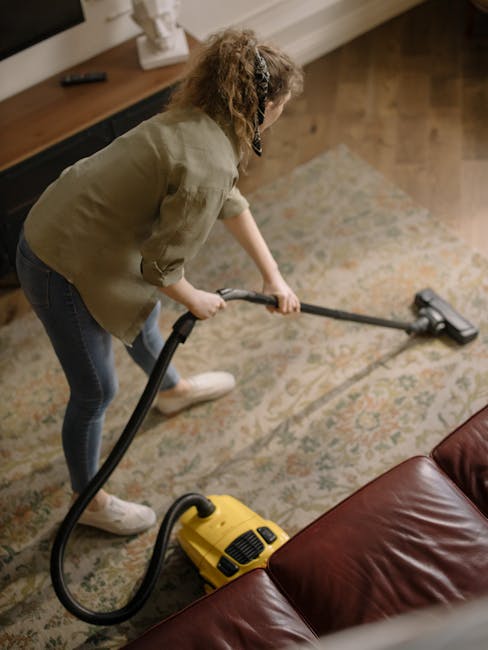
Carpet cleaning in Mount Street, Mayfair is rarely a simple "quick vacuum and move on" job. Homes and offices here often have high-value flooring, mixed materials, busy foot traffic, and a standard of presentation that leaves very little room for error. If you are comparing the best carpet cleaners on Mount Street, Mayfair (W1K), you are probably looking for more than a basic clean. You want careful stain treatment, reliable drying times, discreet service, and results that suit a property where appearance matters every day.
This guide explains how to judge a good local carpet cleaning service, what methods actually work, what to ask before booking, and how to avoid the mistakes that can damage fibres or waste money. It also covers related services such as carpet cleaning in Mayfair, upholstery cleaning, and office cleaning in Mayfair, because in many properties the flooring, soft furnishings, and general upkeep work best as one plan rather than three separate headaches.
Whether you manage a townhouse, lease a flat, run a private office, or simply want your home to feel properly refreshed, the right approach is practical, careful, and tailored to the carpet type. Truth be told, a "deep clean" means very little if the person doing it does not understand pile construction, fibre sensitivity, or moisture control.
Table of Contents
- Why Best carpet cleaners on Mount Street, Mayfair (W1K) Matters
- How Best carpet cleaners on Mount Street, Mayfair (W1K) Works
- Key Benefits and Practical Advantages
- Who This Is For and When It Makes Sense
- Step-by-Step Guidance
- Expert Tips for Better Results
- Common Mistakes to Avoid
- Tools, Resources and Recommendations
- Law, Compliance, Standards, or Best Practice
- Options, Methods, or Comparison Table
- Case Study or Real-World Example
- Practical Checklist
- Conclusion
- Frequently Asked Questions
Why Best carpet cleaners on Mount Street, Mayfair (W1K) Matters
Mount Street sits in one of London's most polished and property-conscious neighbourhoods. That matters because carpet cleaning here is not just about hygiene; it is about presentation, property care, and avoiding expensive mistakes. A badly chosen cleaner can leave overwetting, detergent residue, fibre distortion, or patchy results that stand out immediately in natural light.
In Mayfair, carpets are often part of the room's character rather than a disposable surface. You may be dealing with wool, wool blends, silk mixes, delicate rugs, fitted stair runners, or commercial carpet tiles. Each one behaves differently. A competent cleaner should recognise the difference before the machine comes out, not after the damage is done.
There is also the local reality of time. Many residents and businesses on or near Mount Street need service that is efficient, discreet, and flexible around meetings, visitors, lettings, or events. That is why the best providers tend to offer clear scheduling, realistic drying estimates, and a careful pre-inspection. If you are comparing providers, it can help to review their broader service pages, such as the company's services overview and about us information, because consistency and process matter as much as the final price.
Key point: the right cleaner protects both the carpet and the room around it. In premium properties, that includes skirting boards, furniture legs, hallway traffic routes, and the drying plan after the job.
How Best carpet cleaners on Mount Street, Mayfair (W1K) Works
Professional carpet cleaning usually starts with inspection. A good technician will identify fibre type, construction, colour stability, stain history, and the kind of soil build-up present. That first assessment shapes everything else: the chemistry used, the agitation method, water temperature, and how much moisture is safe.
For most fitted carpets, the process often involves a combination of vacuuming, spot treatment, pre-spray, agitation, extraction, and controlled drying. Hot water extraction is commonly used where appropriate, but it is not the answer for every carpet. Low-moisture systems, bonnet cleaning, or careful dry-cleaning approaches may be better in certain settings, especially where fast turnaround or sensitive fibres are involved.
What you should expect from a serious local service is simple: they explain the method in plain English, advise where there are limitations, and do not promise miracle results on permanent stains. They should also protect surrounding surfaces. Moving a chair across an untreated floor or soaking a wool carpet without thought is not "thorough"; it is expensive optimism.
Many good operators in the area also coordinate related tasks. For example, a client might combine carpet cleaning with house cleaning before guests arrive, or with end of tenancy cleaning when a rental property needs to be handed back in a strong condition. That integrated approach often saves time and avoids repeating work.
Key Benefits and Practical Advantages
The best carpet cleaning is not a luxury flourish. Done properly, it is routine property maintenance with measurable benefits.
- Better appearance: traffic lanes, dull patches, and spot marks are reduced, which makes rooms look brighter and more cared for.
- Improved hygiene: carpets can trap dust, fine particles, and everyday debris that regular vacuuming does not fully remove.
- Odour control: stale smells from spills, pets, or general occupancy are often improved once embedded soils are removed.
- Longer carpet life: removing abrasive grit can reduce wear, especially in hallways, reception areas, and stairs.
- Better first impressions: particularly important in Mayfair homes, show flats, private offices, and guest-facing properties.
- Safer planning: a good service will explain drying time, furniture movement, and what to avoid after cleaning.
There is also a less obvious benefit: confidence. Once carpets look and smell clean, the rest of the space usually feels easier to maintain. People notice this immediately, even if they cannot say why. It is the kind of improvement that makes a room feel "reset" rather than merely tidied.
If the property includes soft furnishings, pairing carpet care with upholstery cleaning in Mayfair can also help the whole room look cohesive rather than half-finished.
Who This Is For and When It Makes Sense
This service is suitable for several types of Mount Street and wider Mayfair clients. The right timing depends on use, fibre type, and the condition of the carpet, but the common scenarios are easy to spot.
- Homeowners: especially if the carpet has lost brightness, picked up traffic marks, or suffered from a spill.
- Tenants and landlords: when moving in, moving out, or preparing a property between occupancies.
- Letting agents and property managers: where presentation and turnaround time matter.
- Office managers: particularly in client-facing spaces, meeting rooms, and corridors.
- Hosts and entertainers: if the property has seen heavy footfall, food spills, or event traffic.
It makes sense to book when a carpet has visible soiling, but you do not need to wait until it looks bad. In many cases, earlier intervention prevents permanent marking and keeps fibres from becoming compacted. For example, a hallway runner near Mount Street might not look "dirty" in the obvious sense, yet still benefit from cleaning because fine grit is slowly cutting through the pile.
For readers interested in the wider neighbourhood context, the site's local editorial content, such as Mayfair living from an insider's view and uncovering the best of Mayfair, offers a good sense of how presentation standards shape everyday expectations in the area.
Step-by-Step Guidance
If you want the best result, treat carpet cleaning as a process, not a one-click purchase. Here is the practical sequence that usually works best.
- Identify the carpet type. Wool, synthetic, blended, loop pile, plush pile, and fitted stair carpet all need different treatment.
- Check the problem areas. Note stains, odours, traffic lanes, pet zones, or any colour changes.
- Ask about the cleaning method. The provider should explain why they recommend hot water extraction, low-moisture cleaning, or another approach.
- Confirm drying expectations. Ask how long the carpet should remain lightly damp and what affects drying time.
- Prepare the room. Remove small items, fragile decor, and anything that could be damaged by movement or moisture.
- Test where needed. Spot-testing dyes and fibre response is sensible, especially on delicate or older carpets.
- Complete a pre-vacuum. Dry soil removal improves the outcome of almost every deep clean.
- Treat spots carefully. Stains are not all the same; coffee, wine, oils, and ink each behave differently.
- Use controlled cleaning. Too much water or detergent causes more trouble than it solves.
- Finish with post-care advice. You should know when to walk on the carpet, when to replace furniture, and what cleaning to avoid afterward.
One small but valuable detail: ask whether the cleaner will protect furniture feet and advise on any colour transfer risk from rugs or padding. That sounds minor until a damp chair leg leaves a mark you did not budget for.
Expert Tips for Better Results
If you want a clean that looks good and lasts, a few practical habits make a big difference.
- Vacuum before the appointment. Removing loose dust and grit lets the cleaning solution reach the real problem.
- Tell the cleaner about previous treatments. If a stain was already treated with a household product, say so. Some sprays react badly with professional chemistry.
- Ask for the safest plan first, not the strongest one. Stronger does not mean better, especially on natural fibres.
- Keep airflow moving after cleaning. Open windows where suitable and use ventilation sensibly to support drying.
- Use entrance mats. They are unglamorous, yes, but they reduce future soil transfer more effectively than most people expect.
- Schedule regular maintenance. Waiting until the carpet looks tired usually means the restoration job is harder.
In commercial settings, a planned maintenance cycle is often the smartest option. For example, an office near Mount Street may need lighter, more frequent attention rather than one dramatic annual clean. That fits well with office cleaning services in Mayfair and helps keep visitor areas looking consistently presentable.
A final tip: if a company offers a very cheap quote without asking about fibre type or room condition, be cautious. The missing questions usually matter more than the discounted price.
Common Mistakes to Avoid
Many carpet-cleaning problems are preventable. They usually happen because someone is rushing, guessing, or using the wrong product on the wrong surface.
- Choosing based on price alone. A low number is not useful if the carpet ends up wet, sticky, or distorted.
- Ignoring fibre type. Wool and synthetics do not respond the same way.
- Over-wetting the carpet. This can lead to slow drying, odour issues, and wick-back, where old stains reappear as the carpet dries.
- Scrubbing stains aggressively. That often spreads the mark or damages the pile.
- Using the wrong DIY cleaner first. Household products can fix a tiny mark or create a larger one.
- Skipping pre-inspection. No inspection means no real understanding of the carpet's condition.
- Putting furniture back too soon. Damp fibres and metal feet are a frustrating combination.
Another common error is assuming every carpet can be made to look brand new. That is not realistic, and a trustworthy cleaner will not pretend otherwise. Good service means better condition, cleaner fibres, improved freshness, and honest expectations.
Tools, Resources and Recommendations
The best carpet cleaners rely on more than a machine. The kit matters, but so does judgment.
- Commercial vacuuming equipment: essential for proper dry-soil removal before any wet process.
- Appropriate detergents and spotters: chosen for the fibre and soil type, not just strength.
- Extraction or low-moisture systems: selected based on carpet construction and drying needs.
- Protective pads and furniture blocks: useful when furniture cannot be fully removed.
- Air movers or ventilation planning: helps reduce drying time in enclosed spaces.
- Documentation: a professional should be able to explain what was done and any aftercare advice.
As a customer, your best resources are not gadgets; they are clear information and transparent policies. Review the provider's pricing and quotes page so you know what affects the estimate, and check customer reviews to understand how the company handles reliability, communication, and follow-up.
You may also want to look at the company's current promotions if you are comparing more than one room or combining services. For some readers, a bundled visit makes more sense than booking separate appointments.
Law, Compliance, Standards, or Best Practice
Carpet cleaning itself is not usually the kind of work that needs heavy consumer jargon, but there are still important standards of care. In the UK, reputable providers should operate with sensible health and safety procedures, clear pricing, proper insurance arrangements where applicable, and appropriate handling of cleaning products and waste water.
Best practice also includes respecting the property and the people using it. That means clear communication about access, slip risk during drying, and the handling of any delicate or high-value items nearby. If the provider works in occupied homes, shared buildings, or offices, they should behave in a way that minimises disruption.
It is sensible to review practical trust pages such as insurance and safety information and the health and safety policy. These are not just formalities. They indicate that the business has thought about risk, property care, and the customer experience.
For payment reassurance, it also helps to check the company's payment and security information and the terms and conditions. If anything goes wrong, a visible complaints procedure is another sign of a serious business rather than a fly-by-night operator.
Options, Methods, or Comparison Table
Different carpet-cleaning methods have different strengths. The "best" choice depends on the carpet, the soil level, and how quickly the room needs to be back in use.
| Method | Best for | Strengths | Things to watch |
|---|---|---|---|
| Hot water extraction | Many fitted carpets and heavier soiling | Deep soil removal, strong restorative results | Needs good moisture control and realistic drying time |
| Low-moisture cleaning | Busy homes, offices, faster turnaround needs | Quicker drying, less disruption | May be less aggressive on deeply embedded soil |
| Bonnet cleaning | Commercial maintenance | Useful for surface refresh and interim care | Not ideal as a sole method for heavily soiled carpets |
| Dry compound or specialised low-moisture systems | Some delicate or access-sensitive situations | Very limited wetness, useful in certain settings | Performance depends heavily on fibre type and soil level |
If you are unsure which route suits your property, ask the cleaner to explain their recommendation in plain language. A good answer will sound practical rather than sales-driven.
Case Study or Real-World Example
Consider a typical Mayfair flat used during the week and occasionally for entertaining. The hallway carpet shows darkened traffic lines, one living-room corner has an old coffee mark, and the dining area has a faint odour from frequent hosting. The owner does not want a disruptive all-day job, and the carpet is a wool blend that would not appreciate heavy-handed treatment.
A well-planned visit would start with a fibre check and spot test. The cleaner would vacuum thoroughly, treat the coffee mark with the right pre-spotter, and use a method that balances cleaning power with moisture control. Protective care would be taken around skirting, furniture feet, and adjacent upholstery. Once finished, the room would be left with sensible drying guidance rather than a vague "it'll be fine."
The practical result is not just a cleaner carpet. The hallway looks brighter, the room smells fresher, and the owner can host again without worrying that every guest will spot the same tired patch near the door. That is the kind of outcome people usually mean when they say they want the best cleaner, even if they do not phrase it that way.
For properties where occupancy changes are frequent, combining this with end of tenancy cleaning in Mayfair can make handover smoother and reduce last-minute stress.
Practical Checklist
Use this checklist before you book.
- Have you identified the carpet fibre or asked the cleaner to assess it?
- Do you know whether the stains are recent, old, or previously treated?
- Has the provider explained the cleaning method and why it suits your carpet?
- Have you asked about drying time and access requirements?
- Do you understand what preparation you need to do before the appointment?
- Have you checked reviews and service information?
- Are pricing, payment, and any extra charges explained clearly?
- Have you confirmed insurance, safety, and complaints information if needed?
- Do you know when furniture can be returned to the room?
- Have you asked what aftercare to avoid, such as steam, heavy walking, or spot cleaning too soon?
Ticking these items off takes only a few minutes and can save a great deal of annoyance later.
Conclusion
Finding the best carpet cleaners on Mount Street, Mayfair (W1K) comes down to more than shiny machines or a confident sales pitch. You want a provider that understands fibre types, chooses the right method, protects the property, and communicates clearly from start to finish. In a location where standards are high and presentation really matters, those details are not optional.
Whether you need a one-off deep clean, support for a move, or regular maintenance for a home or office, the smartest choice is the one that combines technical care with reliability and realistic advice. If you keep the carpet type, drying time, and aftercare in view, you are far more likely to get a result that looks good and lasts.
Get a free quote today and see how much you can save.
If you would like to explore the wider local service range, start with the main carpet cleaning page and compare it with other relevant options on the site. That gives you a clearer picture of what fits your property, your timing, and your expectations.