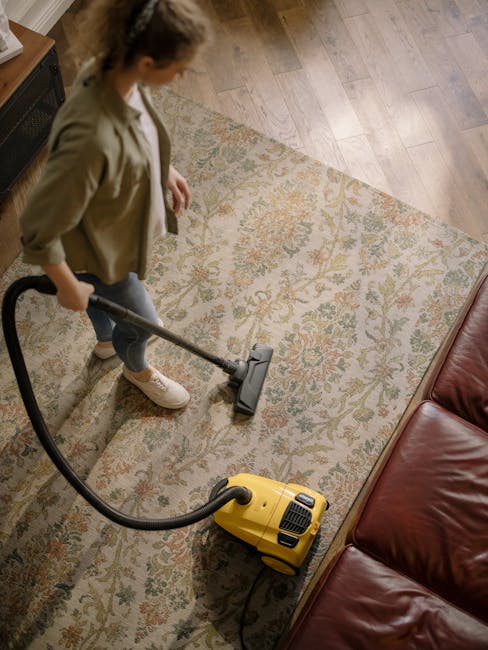
Carpet Cleaning
 Upholstery Cleaning
 End Of Tenancy Cleaning
 Domestic Cleaning
 House Cleaning
 Office Cleaning


Cleaning rules for Grosvenor Estate flats -- Mayfair tips
Posted on 14/05/2026
Living in a Grosvenor Estate flat in Mayfair usually means enjoying elegant surroundings, well-kept communal areas, and a standard of presentation that is, frankly, a little higher than in many other parts of London. That is good news for residents, but it also means the cleaning rules matter. If you have ever wondered what is expected in shared entrances, lift lobbies, bin stores, kitchen spaces, or after a tenant move-out, this guide brings the practical side into focus.
Cleaning rules for Grosvenor Estate flats -- Mayfair tips are not just about looking tidy on a good day. They are about protecting the building, respecting neighbours, avoiding avoidable disputes, and keeping a premium property in the kind of condition its location deserves. In a place like Mayfair, small details show. A dusty dado rail, a streaked hallway mirror, or a bin area left untidy can stand out much more than you might expect. Let's face it, in these buildings people notice.
This article explains how the rules usually work, who they affect, what best practice looks like, and how to keep cleaning simple, compliant, and efficient. You will also find a checklist, a comparison table, and a realistic example from everyday Mayfair living. If you are also looking for broader local insight, you may find our insider view of Mayfair living useful, along with the main services overview for a quick look at what professional support typically covers.
Why Cleaning rules for Grosvenor Estate flats -- Mayfair tips Matters
In a managed estate like Grosvenor, cleaning is rarely just a personal preference. It affects shared comfort, property value, day-to-day safety, and how smoothly residents, tenants, landlords, and managing agents get along. In practical terms, the rules exist so that one person's mess does not become everyone's problem.
Mayfair flats often sit in buildings with common areas that see regular traffic: entrances, stairwells, lifts, corridor carpets, door furniture, and recycling points. These spaces need a consistent standard, not a heroic effort once in a blue moon. A quick wipe on Friday may look fine, but if the hallway carpet is trapping grit or if rubbish is left in the wrong place, the building's condition starts slipping. Slowly, then all at once.
There is also a reputation factor. Grosvenor Estate properties are associated with a certain level of care. That does not mean everything must be polished to perfection every minute of the day, but it does mean residents usually benefit from a clean-as-you-go approach, sensible waste handling, and respect for shared facilities. If you are preparing for a move, you may also want to compare this with end of tenancy cleaning in Mayfair, because lease-end expectations are often stricter than day-to-day upkeep.
Practical takeaway: the cleaner the routine, the less you have to rely on reactive deep cleans, awkward reminders, or last-minute fixes before inspections or handovers.
How Cleaning rules for Grosvenor Estate flats -- Mayfair tips Works
Most estate or building cleaning rules work in layers. Some expectations are formal, such as lease obligations, managing agent instructions, or building policies. Others are informal but strongly expected, like not leaving muddy shoes in a communal corridor or not overfilling a bin store on collection day. In a well-run Mayfair building, the two layers usually support each other.
Here is the simple version. Residents are expected to keep their own flats clean, avoid causing mess in shared areas, and follow rules around refuse, recycling, access, and contractor visits. Freeholders, landlords, or managing agents may arrange periodic communal cleaning, carpet care, window cleaning, or porter services. When those services are in place, residents still need to do their part so the whole system works.
That sounds obvious, but the details matter. For example, if you are having a cleaner attend your flat, they may be allowed to work inside your property but not in the communal landing unless the building permits it. Similarly, a carpet cleaner for a hallway or reception area may need prior permission and proper insurance. If you are arranging this for a home rather than a whole building, the domestic cleaning in Mayfair page gives a useful sense of how routine household cleaning is typically structured.
In our experience, the smoothest buildings are the ones where everyone understands the basics: what belongs to the flat, what belongs to the common area, and who is responsible for what. That clarity saves a lot of awkwardness. No drama, just less dust.
Key Benefits and Practical Advantages
Getting the cleaning rules right brings more than visual neatness. It has practical, financial, and social benefits, especially in a premium area like Mayfair where small maintenance issues can become noticeable quickly.
- Better first impressions: clean entrances and communal spaces make the whole building feel more cared for.
- Reduced wear and tear: regular cleaning helps carpets, upholstery, stone, and finishes last longer.
- Fewer disputes: clear routines reduce complaints about smells, rubbish, stains, or shared-space mess.
- Safer movement through the building: dust, spilled drinks, and clutter can create avoidable slip or trip hazards.
- Cleaner letting or sale outcomes: a well-presented flat can make the handover process easier and less stressful.
There is a more subtle benefit too: cleaner buildings tend to feel calmer. People come and go with less friction. The lift smells neutral, not like last night's takeaway. The hallway doesn't shout for attention. That small sense of order matters more than people sometimes admit.
If the building has frequent entertaining, visitors, or a busy household, it can help to pair routine flat cleaning with targeted services such as carpet cleaning in Mayfair or upholstery cleaning for local homes. Soft furnishings and floor coverings hold onto dirt in ways that a quick surface clean simply won't touch.
Who This Is For and When It Makes Sense
This topic matters to more people than you might think. Cleaning rules in Grosvenor Estate flats are relevant whether you own, rent, let, manage, or service the property.
- Residents who want to avoid complaints and keep their flats and common areas in good condition.
- Landlords who need to protect a premium asset and present the property properly between tenancies.
- Letting agents who must ensure handovers are smooth and standards are consistent.
- Managing agents who coordinate communal cleaning, waste management, and contractor access.
- Cleaners and service providers who need a clear briefing before working in an estate building.
It makes sense whenever there is a transition point: a new tenant moving in, a flat being listed for sale, a building inspection, a holiday let turnaround, a post-party clean, or even a simple spring reset after a wet London winter. If you are in that middle ground where the flat is fine but not quite where it should be, that is exactly when a structured cleaning routine helps.
For people comparing service levels or trying to decide whether to bring in help, it is also useful to read real feedback. The reviews page can help you judge how other customers describe the experience, which is often more revealing than a polished sales pitch.
Step-by-Step Guidance
If you want to follow cleaning rules sensibly rather than guessing, use this practical sequence. It keeps things organised without turning your life into a checklist obsession. No one needs that.
- Check the building's expectations. Start with lease notes, building notices, and any instructions from the managing agent or concierge. Look for anything about waste, access times, service corridors, quiet hours, or contractor approval.
- Separate private and shared areas. Know exactly which spaces are your responsibility and which are communal. That distinction matters for liability and for etiquette.
- Set a realistic routine. Daily wipes, weekly vacuuming, and a monthly deeper clean are usually easier to maintain than long gaps followed by panic cleaning.
- Focus on high-touch points. Door handles, switches, handrails, taps, and appliance fronts get grimy fast. These are the bits people notice first, even when they do not consciously notice them.
- Manage waste properly. Bag rubbish securely, follow collection arrangements, and avoid leaving items in shared halls or beside bins unless the rules allow it.
- Use the right products for the surface. Stone, wood, carpet, brass, and glass all need different care. One cleaner for everything is usually a bad idea, truth be told.
- Book professional support when needed. Deep carpet, upholstery, oven, and end-of-tenancy cleaning are often better handled by specialists with the right equipment and insurance.
- Document condition before and after major cleans. Simple photos can help if there is ever a dispute about damage, staining, or cleanliness after a handover.
A useful habit is to clean from top to bottom and from dry to wet. Dust first, vacuum second, mop last. That sounds almost too simple, but it prevents streaks and re-depositing grime onto areas you have just cleaned. Small sequence, big difference.
Expert Tips for Better Results
Good cleaning is rarely about effort alone. It is usually about timing, methods, and not making life harder than it needs to be.
1. Clean before dirt becomes visible. In a shared building, light maintenance is easier than repairing a neglected mess. It is much easier to remove fresh marks from a hallway floor than old scuffs embedded under foot traffic.
2. Use a low-moisture approach on delicate finishes. Mayfair flats often include hardwood, stone, or polished surfaces. Too much water can leave marks, edge swelling, or dullness. A damp, not soaked, cloth is usually the safer call.
3. Treat carpet spots promptly. Even a small spill can turn into a permanent stain if left overnight. Blot, do not rub. Rubbing just pushes the spill deeper and makes the pile look tired.
4. Keep cleaning supplies simple and good quality. You do not need a cupboard full of fancy products. A dependable vacuum, microfibre cloths, a gentle neutral cleaner, a mop suitable for the floor type, and gloves are often enough for routine care.
5. Pay attention to smells as well as visible dirt. A flat can look clean and still feel stale if bins, drains, fabrics, or soft furniture need attention. Open windows when weather allows. London air is not always fresh, but it helps.
If your property includes more formal spaces or client-facing rooms, you may also want to explore office cleaning in Mayfair as a useful reference point. Some of the same principles apply: consistency, discretion, and a tidy finish that does not shout for attention.
And one more thing: if a task feels like it needs too many caveats, it probably needs a professional. Not every job should become a weekend experiment.
Common Mistakes to Avoid
Most cleaning problems in estate flats are not dramatic. They are small lapses that build up until they become annoying. Here are the ones worth avoiding.
- Leaving rubbish outside the flat early. It may seem harmless, but it can create odour, attract pests, and annoy neighbours.
- Using the wrong chemicals. Harsh products can mark marble, strip finishes, or damage lacquered surfaces.
- Ignoring shared areas. People often focus on the flat and forget the hall outside the door, the bin area, or the lift threshold.
- Over-wetting carpets or upholstery. Excess moisture can lead to lingering smells or drying problems.
- Booking contractors without checking access rules. A cleaner arriving at the wrong time with no permit or notice can become an unnecessary headache.
- Assuming someone else will handle everything. In a managed building, responsibilities are often shared, not magically absorbed by the building team.
A surprisingly common issue is the "just this once" mindset. One bag left in the corridor. One coffee stain left until tomorrow. One skipped bin day. Then a week passes, and suddenly the flat feels less crisp, the hallway looks tired, and everyone's patience is thinner than it should be. Happens all the time.
For move-out situations, it is worth reading the guidance on end of tenancy cleaning in Mayfair early, rather than the night before keys are due back. That little bit of planning can save a lot of stress.
Tools, Resources and Recommendations
You do not need specialist equipment for everyday upkeep, but the right tools do make a difference. A sensible starter kit for a Grosvenor Estate flat might include:
- a lightweight vacuum with a hard-floor setting
- microfibre cloths for dusting and polishing
- a mop with washable pads
- a neutral pH cleaner suitable for delicate surfaces
- a soft brush attachment for skirting boards and vents
- protective gloves and rubbish bags with a secure tie
- a small stain-removal kit for carpets or upholstery
For larger or more delicate cleaning jobs, especially in high-value flats, it can be worth using specialist help rather than taking a gamble. Professional teams are usually better placed to handle tough stains, moving furniture carefully, or dealing with fabrics and flooring that need more than basic attention. If you want to see how broader support is structured, the house cleaning service in Mayfair is a sensible place to compare routine and occasional tasks.
It also helps to keep a small note of what has been cleaned and when, especially if the property is rented or used intermittently. A simple calendar reminder can be enough. Nothing fancy. Just enough to stop things drifting.
For cost planning, you can review pricing and quote information before requesting a visit. Clear expectations up front usually mean smoother service and fewer surprises later.
Law, Compliance, Standards, or Best Practice
Cleaning in residential buildings can touch on several practical and legal expectations, even if the topic feels mundane. The exact obligations depend on the lease, building rules, and the nature of the work being carried out. This is where caution helps.
For residents and landlords, the main points usually include:
- Lease and tenancy obligations: many agreements require the property to be kept in good condition and not cause nuisance to others.
- Health and safety: cleaning products, wet floors, access routes, and contractor activity should not create avoidable risks.
- Waste handling: rubbish should be disposed of in line with building instructions and local arrangements, not left in communal areas.
- Insurance awareness: if a contractor is working in shared space, proper cover matters in case of accidental damage.
- Privacy and access: cleaners should only enter areas they are authorised to enter, and personal items should be handled appropriately.
Professional providers should also operate in line with sensible workplace standards. That usually includes clear communication, basic risk controls, and respect for resident privacy. If you want to understand how a provider frames that side of the service, take a look at the health and safety policy and the insurance and safety information. Those pages are often more telling than glossy headlines.
Best practice in this context is straightforward: be clear, be careful, and do not assume. If there is doubt about access, permissions, or whether a certain cleaner can be used on a surface, check first. A minute of caution can prevent a costly mistake.
For any commercial or mixed-use property in the area, the same mindset applies, although the rules and scheduling are usually tighter. In that setting, office cleaning support can be a helpful comparison for frequency, discretion, and after-hours access.
Options, Methods, or Comparison Table
Not every cleaning task needs the same approach. A useful way to think about it is by matching the method to the situation. Below is a simple comparison that reflects how many Mayfair residents and landlords plan their cleaning.
| Cleaning approach | Best for | Advantages | Watch-outs |
|---|---|---|---|
| Daily DIY upkeep | Kitchen surfaces, sinks, bathroom basics, quick dusting | Cheap, flexible, easy to maintain | Easy to miss hidden dirt or stubborn stains |
| Weekly routine clean | Vacuuming, mopping, bathrooms, shared-touch points | Keeps standards consistent and manageable | Needs discipline and a fixed schedule |
| Periodic deep clean | Ovens, grout, carpets, skirting, upholstery, behind furniture | Resets the property and improves presentation | Usually takes longer and may need specialist products |
| Professional specialist clean | End of tenancy, stain removal, delicate surfaces, shared areas | Better equipment, stronger results, less risk | Costs more than DIY, but often pays off in quality |
For many Grosvenor Estate flats, the best setup is a blend: routine DIY care for daily life, with professional intervention for deeper or more technical jobs. That balance keeps things sensible rather than over-engineered. No one needs to deep clean a hallway every Saturday unless the building is particularly busy.
Case Study or Real-World Example
Here is a realistic example. A two-bedroom flat near the Mayfair grid had a recurring issue: the flat itself looked fine, but the corridor outside the front door always seemed to attract scuffs, dust, and the occasional smudge from shopping bags or luggage. The residents kept the interior tidy, yet the entrance still felt a bit worn.
The fix was simple, not magical. First, they checked building guidance on what they could and could not clean in the common corridor. Then they created a small routine: quick hoovering at the threshold, regular wipe-downs of the door and handles, a proper mat by the entrance, and a monthly deeper clean for the carpets and soft furnishings inside the flat. They also scheduled a professional carpet clean after winter, when salt and damp had made everything look dull.
The result was not just cleaner floors. The whole flat felt more composed. Visitors noticed it immediately, even if they could not quite say why. That is usually how good cleaning works. It doesn't scream. It just quietly improves the whole space.
If the flat is preparing for a sale or purchase handover, the same principle applies to the wider property journey. The local context on Mayfair property transactions and investment tips for Mayfair real estate can help put cleaning into the bigger ownership picture, especially where presentation and timing matter.
Practical Checklist
Use this checklist before inspections, guest visits, tenant handovers, or after a busy week. It is intentionally practical rather than fancy.
- Floors vacuumed or swept, including edges and under visible furniture
- Kitchen worktops, hob, sink, and splashbacks wiped clean
- Bathroom taps, tiles, mirror, and toilet cleaned properly
- Bins emptied, bagged, and taken to the correct disposal point
- Communal hallway outside the flat left clear and tidy
- Door handles, switches, and railings wiped down
- Carpets checked for spots, crumbs, and edge dirt
- Upholstery and cushions shaken out or refreshed
- Windows and interior glass free from obvious streaks
- Cleaning products stored safely and out of sight
- Any required contractor access or booking confirmed in advance
Quick rule of thumb: if you can see it from the doorway, it probably needs attention. If you can smell it before you see it, it needs attention sooner.
If you are ready to take the next step, a well-planned quote can save time and prevent guesswork. Current promotions may also help if you are combining services or booking more than one clean at once.
Get a free quote today and see how much you can save.
Conclusion
Cleaning rules for Grosvenor Estate flats in Mayfair are really about standards, shared respect, and good routine. Keep your own space clean, protect the common areas, follow the building's instructions, and bring in professional help where the job calls for it. That is the formula, more or less. Simple on paper, but powerful in practice.
When done well, cleaning becomes one of those background systems that makes everything else feel easier. The flat feels calmer. The building feels better run. And small problems stay small, which is exactly what you want in a high-value London property.
For more about the company behind these services, you can also read about us and see how the wider support is structured for local homes and apartments. There is comfort in knowing the basics are handled properly.
Keep the standard steady, and the rest tends to follow.