Carpet Cleaning
 Upholstery Cleaning
 End Of Tenancy Cleaning
 Domestic Cleaning
 House Cleaning
 Office Cleaning


Mould and damp carpet fixes for basements in Mayfair
Posted on 18/06/2026
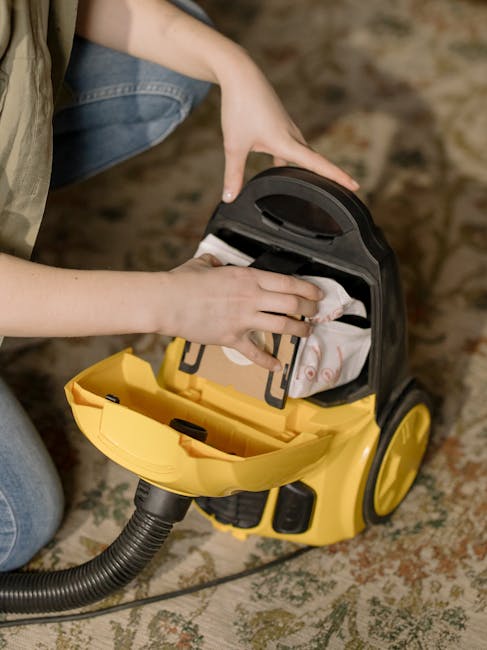
Basement carpet problems have a way of turning up quietly. One week the room feels fine, and the next there's a musty smell, a slightly clammy underlay, and that nagging sense that the carpet is holding onto moisture long after the rain has passed. If you're dealing with Mould and damp carpet fixes for basements in Mayfair, the goal is not just to make the carpet look better. It's to stop the moisture source, protect the floor build-up, and get the room back to being usable without the smell coming back in a fortnight.
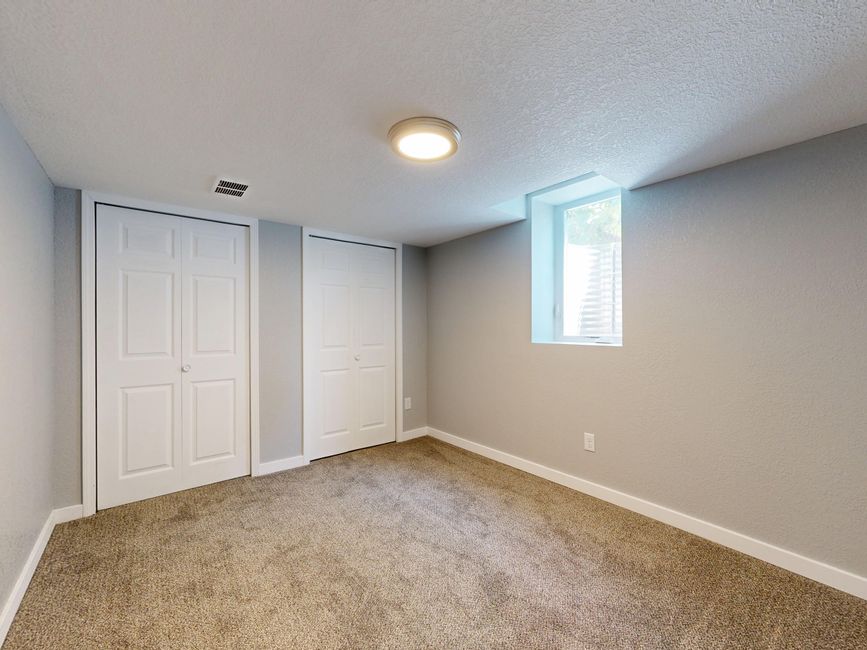
That matters especially in Mayfair, where basement rooms are often used as snug living spaces, storage, staff accommodation, home offices, wine rooms, or guest areas. They can be beautifully finished, but they also sit lower, cooler, and closer to the damp realities of London weather and older building fabric. This guide walks through what causes the issue, how the fixes work, when a carpet can be saved, and when replacement is the saner move. No drama. Just the practical stuff you can actually use.
- Why this problem matters in Mayfair basements
- How mould and damp carpet fixes work
- Key benefits and practical advantages
- Who needs this and when it makes sense
- Step-by-step guidance
- Expert tips for better results
- Common mistakes to avoid
- Tools, resources and recommendations
- Law, compliance, standards, or best practice
- Options and comparison table
- Case study or real-world example
- Practical checklist
- Conclusion
- Frequently asked questions
Why Mould and damp carpet fixes for basements in Mayfair Matters
Basement carpet damp is not a minor housekeeping issue. It affects air quality, comfort, cleaning costs, and in some cases the life of the carpet itself. Once a carpet absorbs moisture, it can trap dust, spores, and odour deep in the pile and backing. You may be able to surface-clean it, but if the room is still damp, the problem can quietly return. That is the frustrating bit.
In a property with lower-ground rooms, the carpet often sits above a floor that is colder than the rest of the home. If ventilation is poor, if the basement has a historic wall or floor that breathes differently from modern rooms, or if a small leak has gone unnoticed, the carpet becomes the first thing to complain. The smell is often the giveaway. Sometimes it is a sharp earthy odour. Sometimes it is just that slightly stale, wet-wool note that hangs in the room after a rainy spell.
For Mayfair properties, this matters for another reason too: basement rooms are often valuable usable space. A damp floor covering can make the room feel neglected even when the rest of the property is immaculate. If you're preparing a room for guests, tenants, or simply day-to-day living, the carpet can either support that impression or spoil it. There's no middle ground, really.
If your basement is part of a larger household or managed property, it can help to read broader guidance on carpet care for Mayfair homes and the practical notes in Grosvenor Estate flat cleaning rules so your response fits the property and its routines.
How Mould and damp carpet fixes for basements in Mayfair Works
The fixing process has three layers: find the moisture source, dry the carpet properly, and decide whether the carpet can be restored. Skip any one of those and the whole thing becomes a temporary cover-up.
First, identify where the moisture is coming from. In basements, the source can be obvious, like a leaking pipe or recent ingress after heavy rain. More often it is slower: condensation on cold surfaces, poor airflow, external ground moisture, or a patch of historic damp that becomes active when ventilation drops. A room can feel dry to the touch and still be damp enough for mould to take hold under the carpet edge.
Next comes drying. That usually means lifting the carpet enough to inspect the underlay and subfloor, then using controlled air movement and dehumidification. In a good-world scenario, the carpet is removed and dried separately. In a less ideal scenario, only parts can be lifted because of fitted furniture or tight access. That's common in Mayfair basements, where rooms are often compact and heavily fitted out. Patience matters here.
After drying, the carpet is assessed. If the pile is lightly affected and the smell is recent, a deep clean with appropriate sanitising treatment may work. If the underlay has been soaked, smells persist after drying, or mould has penetrated the backing, replacement may be the better option. Truth be told, some carpets can be saved and some really can't. Trying to rescue the wrong one just burns time and money.
In practical terms, a successful fix often includes:
- lifting the carpet edge to inspect the subfloor and underlay
- removing standing moisture and wet underlay materials
- thorough drying before any cleaning chemicals are used
- treating visible mould carefully rather than scrubbing it deeper in
- checking the room's airflow and humidity afterwards
For a broader service picture, it may help to review the services overview and the company's carpet cleaning information before deciding whether a one-off fix or a more structured clean is the right route.
Key Benefits and Practical Advantages
When the fix is done properly, the difference is immediate and, honestly, pretty satisfying. The room smells cleaner. The carpet feels less clammy underfoot. And the space stops giving off that low-level "something is off" vibe that basement rooms can get.
The main benefits go beyond appearance:
- Odour control: removing trapped damp and mouldy backing reduces the musty smell at source.
- Better indoor comfort: a dry carpet and underlay make the room feel warmer and more pleasant.
- Longer carpet life: early action can prevent fibre breakdown, delamination, and staining.
- Improved hygiene: less trapped moisture means fewer conditions that support mould growth.
- Better property presentation: important if the basement is part of a home, rental, or managed property.
There is also a practical financial benefit, even if it is not the glamorous sort. Fixing a localised damp issue early is usually less disruptive than replacing a whole carpet after the damage spreads. And in lower-ground rooms, damage tends to spread quietly, especially along skirting edges and beneath furniture where air hardly moves.
If you are comparing maintenance options or trying to plan ahead, the articles on how to avoid billing surprises from cleaners and choosing carpet cleaners on Mount Street can help you think through the service side of things without guesswork.
Who This Is For and When It Makes Sense
This topic is for anyone dealing with a basement carpet that smells musty, feels damp, or shows early mould spotting. That includes homeowners, landlords, tenants, property managers, and anyone responsible for a lower-ground room in Mayfair. It is also relevant if the basement is used only occasionally. In fact, occasional-use rooms can be worse, because the air sits still. No one is there to notice the smell building up. Then one day, there it is.
It makes sense to act when you notice any of these signs:
- a persistent damp or earthy smell after rain
- darkening near carpet edges or under furniture
- soft, spongy underlay underfoot
- water marks on the back of the carpet
- visible mould on skirting, tack strips, or underlay
- condensation on basement windows or walls near the floor
It also makes sense if the room is about to be used for something important: a let, a sale viewing, a family stay, or a busy stretch of entertaining. If you live in Mayfair, that timing can matter more than people admit. A basement room should feel like part of the home, not the awkward damp cousin nobody mentions.
For those dealing with property movement or tenancy changeover, the pages on end-of-tenancy cleaning and house cleaning support may be useful alongside carpet treatment, especially if you want the room fully reset.
Step-by-Step Guidance
Here is the practical sequence we recommend. It is simple enough to follow, but the order matters more than people think.
- Stop the moisture source. If there is a leak, ingress, or obvious condensation issue, deal with that first. Cleaning a wet carpet while the leak continues is like mopping a floor with the tap still running.
- Move furniture where possible. Air has to circulate. Even shifting a sofa a few inches can reveal a damp patch that was hiding in plain sight.
- Lift the carpet edge and inspect the underlay. This is the moment you discover whether the problem is surface-level or deeper. A slight smell at the top can hide a soaked underlay below.
- Remove wet underlay if needed. If the underlay is saturated or mouldy, replacement is usually the sensible call. Underlay is cheap compared with redoing the carpet twice.
- Dry the carpet and subfloor fully. Use controlled drying rather than quick heat blasts. Gentle airflow and dehumidification tend to be kinder to the materials.
- Clean and treat the fibres. Once the carpet is dry enough, deep clean with a method suited to the fibre type. Wool, synthetic blends, and delicate weaves do not all respond the same way.
- Sanitise where appropriate. If mould was present, targeted treatment is needed. Do not oversoak the carpet; that just starts the cycle again.
- Reassess smell and texture after drying. The real test is not how it looks immediately after treatment. It is how it smells and feels a day later.
- Improve prevention measures. Ventilation, humidity control, and periodic checks are what keep the fix from becoming a monthly routine. Nobody wants that.
One small but useful note: if the room has a fitted carpet edge or transition strip, you may need to check the wall line rather than the middle of the room. Damp often creeps in where it is least obvious. Annoying, but true.
Expert Tips for Better Results
In our experience, the best results come from being a bit stubborn about the drying phase. People want a fast clean. Understandable. But if the carpet goes back down while the backing is still carrying moisture, the odour can return even after a decent surface treatment. Then you're back at square one, with a slightly worse mood.
Here are the details that make a real difference:
- Check humidity, not just visible dryness. A carpet can feel dry at the surface and still hold moisture underneath.
- Lift more than one corner if needed. Localised inspection gives a better sense of spread than a single quick glance.
- Don't use harsh scrubbing on mould stains. That can drive residue deeper into the pile and damage fibres.
- Use absorbent towels before powered drying. Removing excess moisture first shortens the whole process.
- Improve airflow after the fix. A closed basement is a damp basement waiting to happen again.
- Keep an eye on external conditions. After storms or long wet spells, check the room early rather than waiting for smells to appear.
And a slightly old-school bit of advice that still holds up: if you can smell it before you can see it, treat that smell as a warning, not a nuisance. Smells in basement carpets rarely lie.
If you need a sense of how a reputable cleaning provider handles the practical side, browse the customer reviews and the company's notes on insurance and safety. Those details matter when moisture and flooring are involved.
Common Mistakes to Avoid
Basement carpet damp is one of those jobs where the wrong shortcut creates a bigger job later. A few mistakes show up again and again.
- Covering the smell with fragrance. That just masks the problem. The moisture stays, and so does the mould risk.
- Putting the carpet back too early. If the backing or subfloor is still damp, the issue is not solved.
- Ignoring the underlay. A lovely-looking carpet can sit on a nasty, wet layer underneath.
- Using too much water during cleaning. More liquid is not better in a basement.
- Assuming one clean fixes everything. If the room's humidity and airflow are poor, the issue may return.
- Replacing the carpet without checking the source. You can fit a new carpet and still end up with the same problem six weeks later.
There is also a common emotional mistake: waiting because the room is "only a bit damp." Basement problems tend to expand quietly. A bit of patience is useful. A bit of delay, not so much.
Tools, Resources and Recommendations
You do not need a giant toolkit, but you do need the right basics. The aim is to control moisture and inspect properly, not to make the room smell like a chemistry set.
| Tool or resource | What it helps with | Practical note |
|---|---|---|
| Moisture meter | Checks damp in carpet backing, underlay, and subfloor | Useful when the issue is not obvious by sight alone |
| Dehumidifier | Removes moisture from basement air | Works best with doors shut and airflow managed |
| Air mover or fan | Speeds up surface drying | Should support drying, not replace it |
| Absorbent towels or pads | Initial moisture removal | Good first step before deeper drying |
| Soft brush and vacuum | Loose debris and dried residue removal | Use gently to protect fibres |
| Professional carpet cleaning service | Deep cleaning, inspection, and treatment advice | Worth it when mould has spread or the carpet is valuable |
For pricing questions, it is sensible to compare scope rather than just headline numbers. Basement jobs vary a lot depending on access, carpet type, and how far the damp has travelled. The page on pricing and quotes is the right place to start if you want a clearer view of how service scope is usually handled.
If you are managing a full property refresh, the guides on domestic cleaning and office cleaning can help you think about adjoining spaces too, especially if the basement is mixed-use.
Law, Compliance, Standards, or Best Practice
For most readers, the important point is not to turn this into a legal exercise. It is to handle damp safely and sensibly. In the UK, mould and damp can raise health concerns, especially for anyone sensitive to allergens or respiratory irritants. So while this article is not legal advice, the best practice is straightforward: identify the cause, avoid creating more moisture, and make sure any treatment is safe for occupants and the materials involved.
If the property is rented or managed, there may be additional responsibilities around habitability, maintenance reporting, and prompt repair of leaks or damp-related defects. Those responsibilities can depend on the tenancy, property type, and actual cause of the problem, so it is wise to keep records of what you observed, when it started, and what action was taken. A simple timeline can save a lot of back-and-forth later. Bit boring, yes, but very useful.
Best practice also includes:
- not re-laying carpet until all hidden moisture has been addressed
- using materials and cleaning methods appropriate for the fibre
- avoiding aggressive chemical use where it may damage backing or finish
- keeping the room ventilated after treatment
- documenting recurring damp so the structural source can be traced
If the issue is tied to a broader maintenance or transaction timeline, you may find the articles on Mayfair property transactions and property investment tips useful for thinking about how damp issues affect practical decision-making, even if only indirectly.
Options, Methods, or Comparison Table
There is no single correct fix for every basement carpet. The right method depends on how wet the carpet is, how valuable it is, and whether the damp source has been stopped.
| Method | Best for | Pros | Limits |
|---|---|---|---|
| Local drying and cleaning | Small, fresh damp patches | Less disruptive, lower cost, quick if caught early | Not suitable if underlay or backing is affected |
| Partial carpet lift and treatment | Edge damp, condensation patches, limited ingress | Targets the problem area without replacing everything | Needs careful drying and inspection |
| Full carpet removal and replacement | Severe mould, soaked underlay, recurring odour | Resets the room and removes hidden contamination | Higher disruption and cost |
| Prevention-focused maintenance | Rooms at ongoing risk of condensation | Helps prevent repeat damp, supports long-term comfort | Does not fix structural moisture sources on its own |
As a rule of thumb, if the carpet smells stale after drying or the underlay has been wet, lean toward more invasive treatment. If the problem is tiny and recent, a targeted approach can be enough. The tricky bit is being honest about where the line sits.
Case Study or Real-World Example
A lower-ground room in a Mayfair townhouse was being used as a quiet study. Nothing dramatic had happened. No flood, no obvious leak. But after a wet spell, the homeowner noticed a faint musty smell near the skirting and a slightly cooler, damp feel under the desk area. The carpet still looked fine at first glance, which is exactly why these problems linger.
On inspection, the issue was concentrated along one edge where air movement was poor and the carpet had been tucked tightly beneath fitted joinery. The underlay near the wall was damp, while the centre of the room was mostly unaffected. The response was simple but methodical: the carpet was lifted at the edge, the underlay section removed, the subfloor dried, and the carpet fibres treated after moisture levels had dropped. The room was then aired more regularly and humidity was kept under watch for a few weeks.
The key lesson? The carpet was not the real problem. The airflow and hidden edge moisture were. Once those were addressed, the room stopped smelling odd and the carpet could stay in place. A neat fix, but only because the source was found early. If it had been left another month, the story would probably have been messier.
For readers facing a more urgent situation, the guidance in emergency carpet cleaning near Bond Street station is a useful reference point for thinking about speed, access, and response priorities.
Practical Checklist
Use this checklist when you're dealing with a damp basement carpet and want to keep the process sensible.
- Confirm the damp source is stopped or at least controlled.
- Open the room up and improve ventilation.
- Lift the carpet edge and check the underlay.
- Remove or replace any wet underlay.
- Dry carpet, backing, and subfloor fully before cleaning.
- Treat visible mould carefully and appropriately.
- Check for recurring odour after drying.
- Inspect skirting, corners, and under furniture a few days later.
- Improve airflow or humidity control for prevention.
- Keep records if the property is rented or managed.
Expert summary: the best mould and damp carpet fix is not just a clean carpet - it is a dry subfloor, a sound underlay decision, and a room that can breathe afterwards. That's the whole game, really.
If you want to compare service options, check availability, or simply speak to a local team that understands basement carpet issues in central London, it helps to review the company's service information, safety approach, and client feedback before booking anything. A little due diligence now saves a lot of regret later.
Get a free quote today and see how much you can save.
Conclusion
Mould and damp in basement carpets are frustrating, but they are usually manageable when tackled in the right order. First find the moisture source. Then dry everything properly. Then decide honestly whether the carpet can be restored or whether replacement is the smarter call. That sequence sounds basic, but it is what separates a lasting fix from a temporary patch.
In Mayfair, basement rooms often carry real value, so it makes sense to treat the carpet as part of the room's overall comfort and presentation rather than as an afterthought. If you stay alert to the early signs, act before smells spread, and keep an eye on ventilation, the room can feel fresh again without unnecessary upheaval. And that is a good feeling, to be fair. Quietly good.
One small final note: if something still feels off after cleaning, trust that instinct. Basements have a way of telling the truth a little late, but they do tell it.